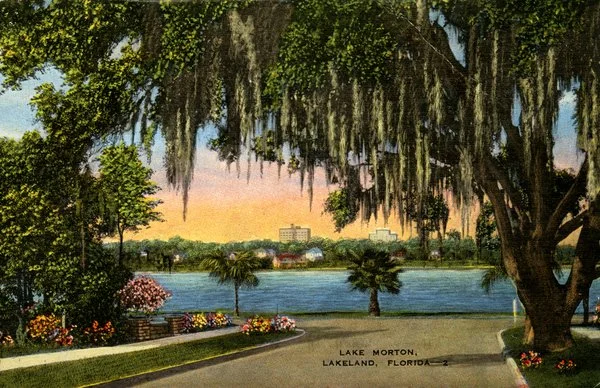
The Lake Morton Historic District
South and east of Lake Morton, north of Lake Hollingsworth, sits one of the best-preserved stretches of early Lakeland. Rolling ground, curving streets, deep shade, and block after block of houses that have been standing for a hundred years.
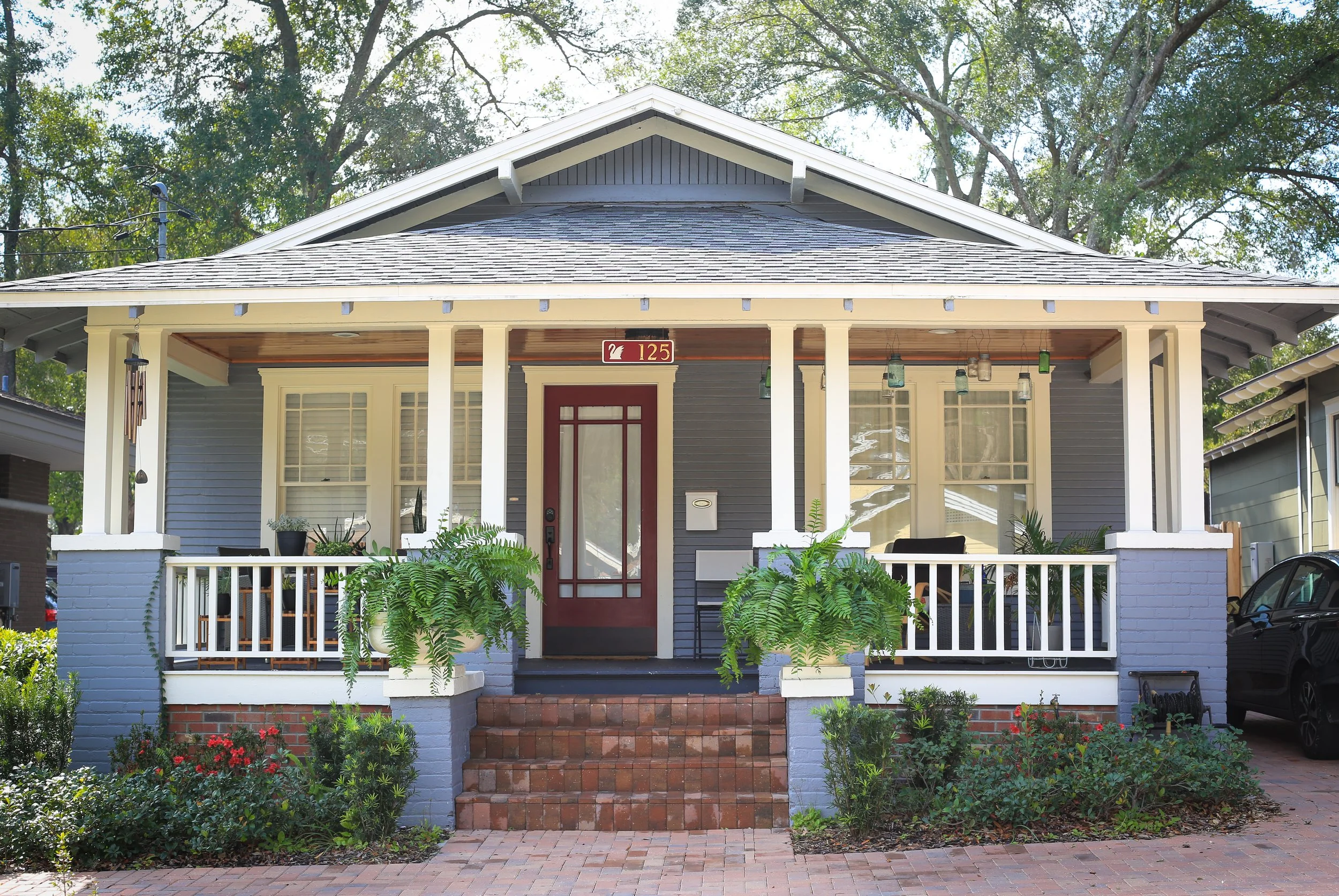
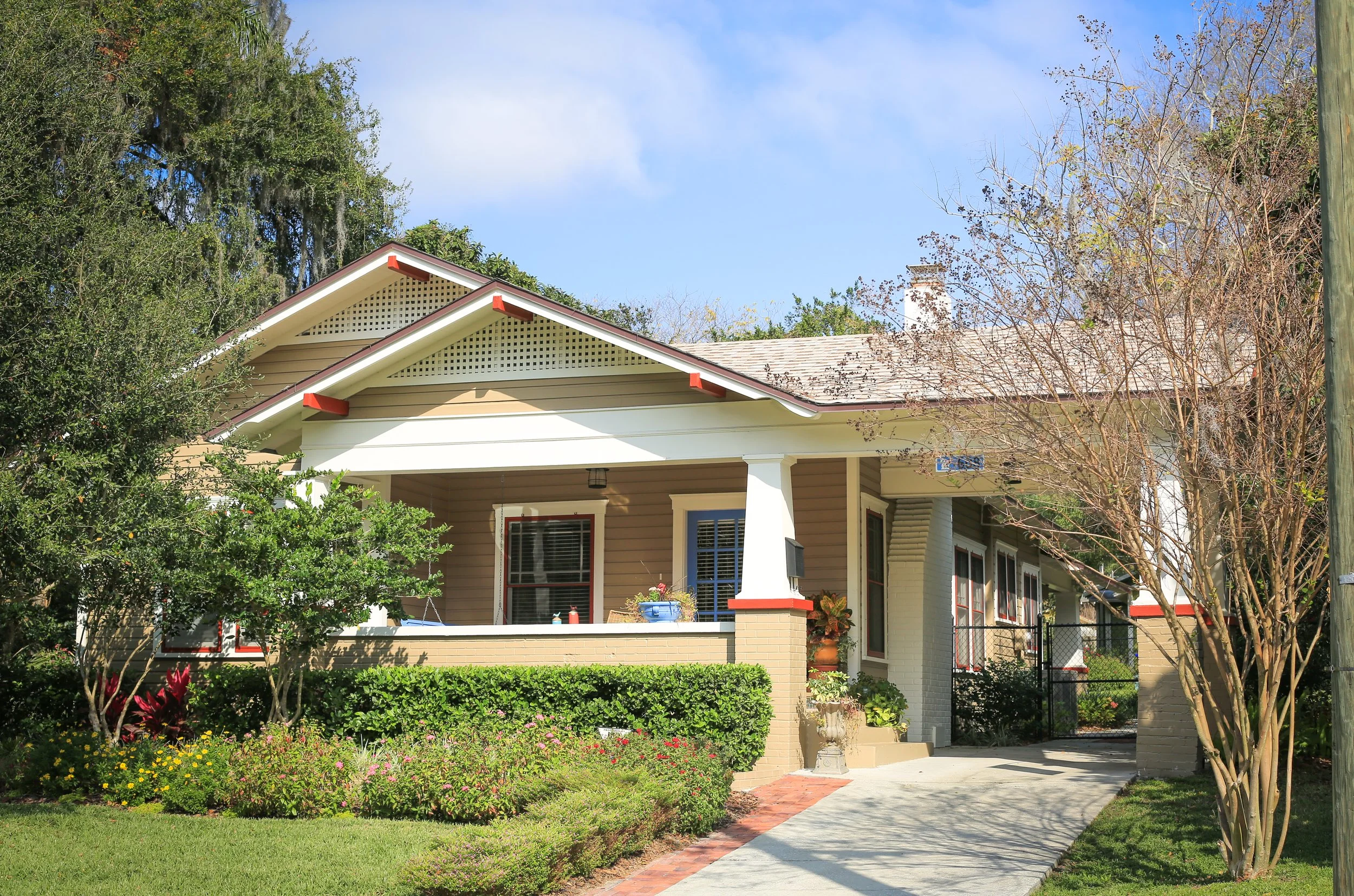
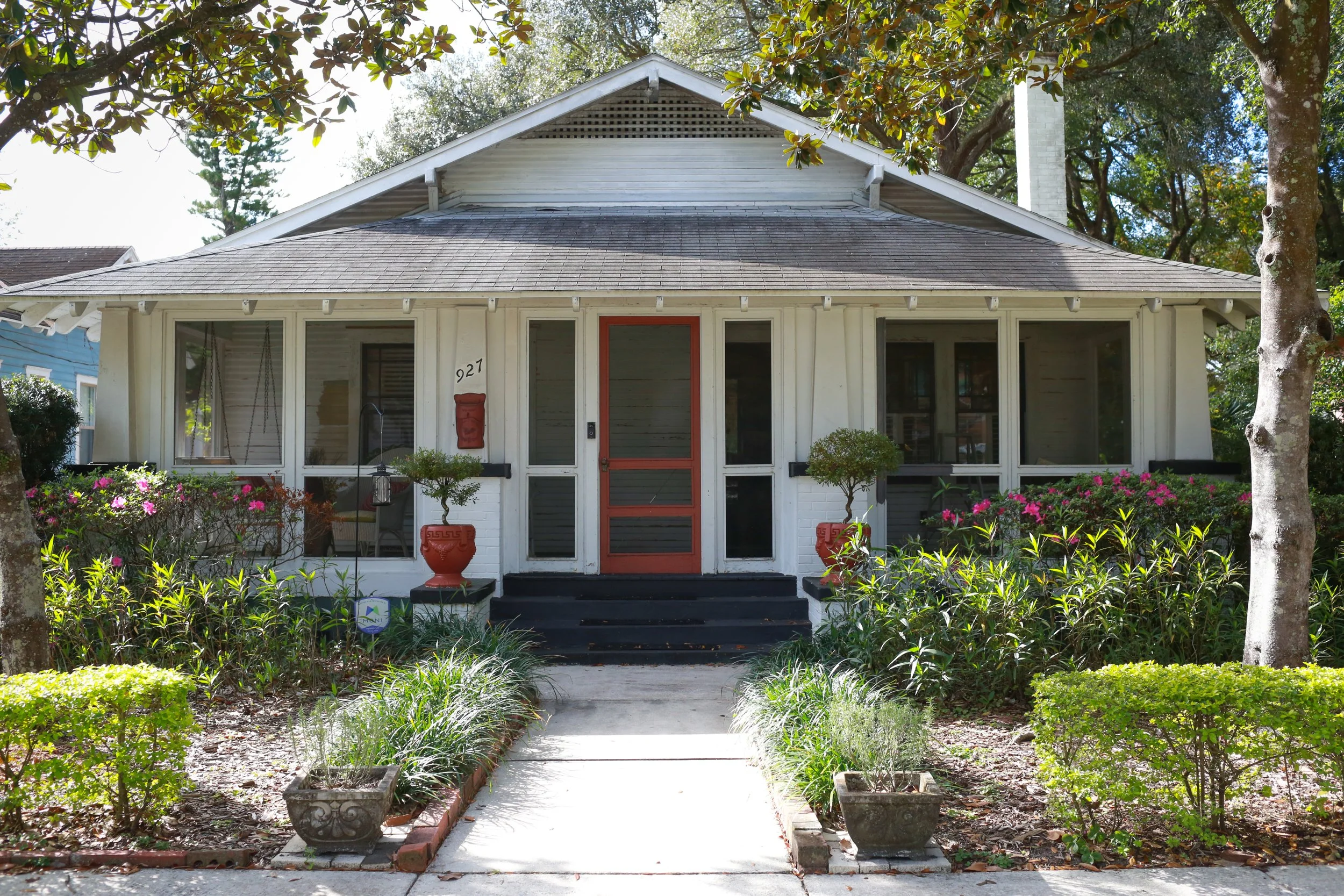
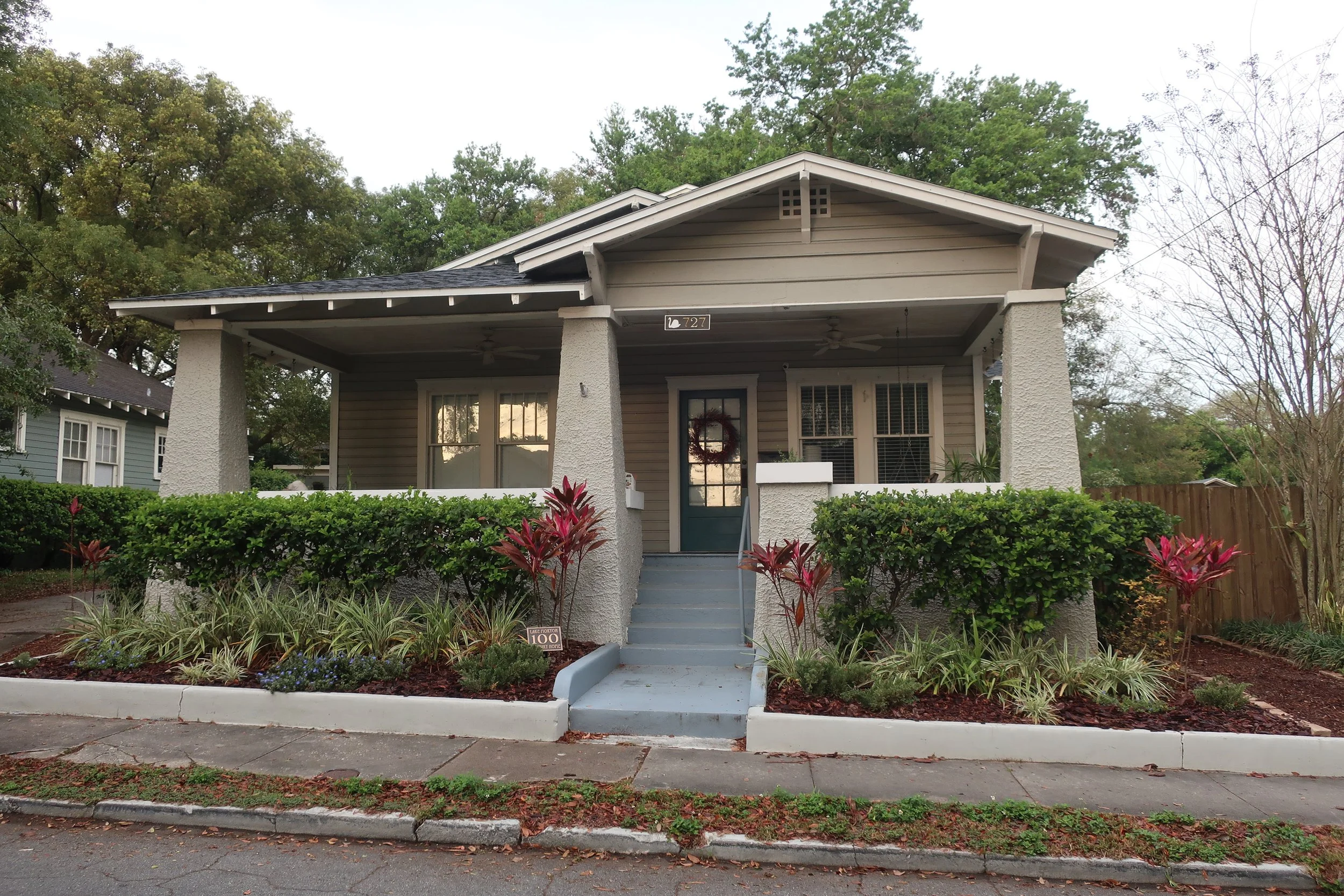
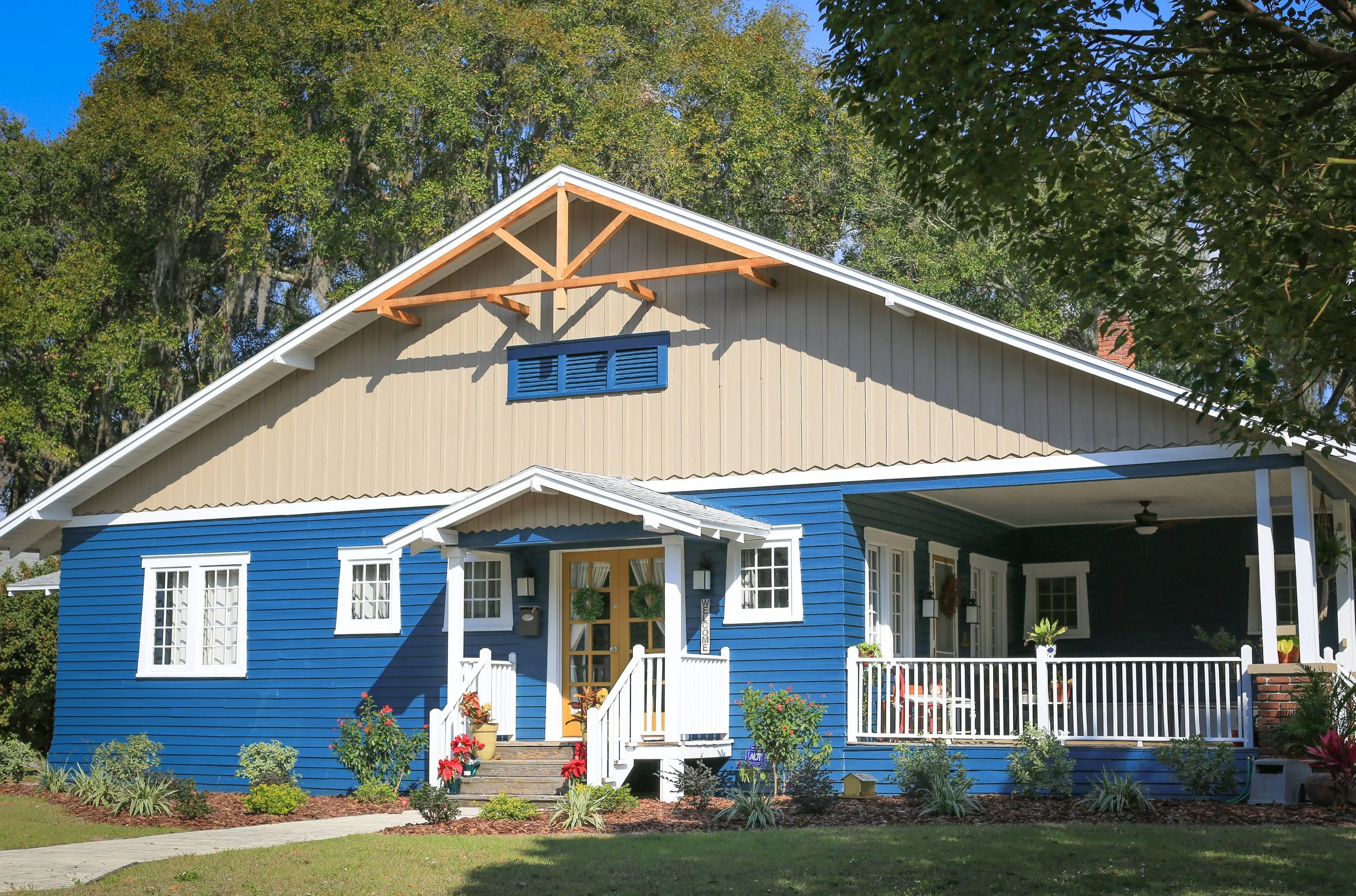
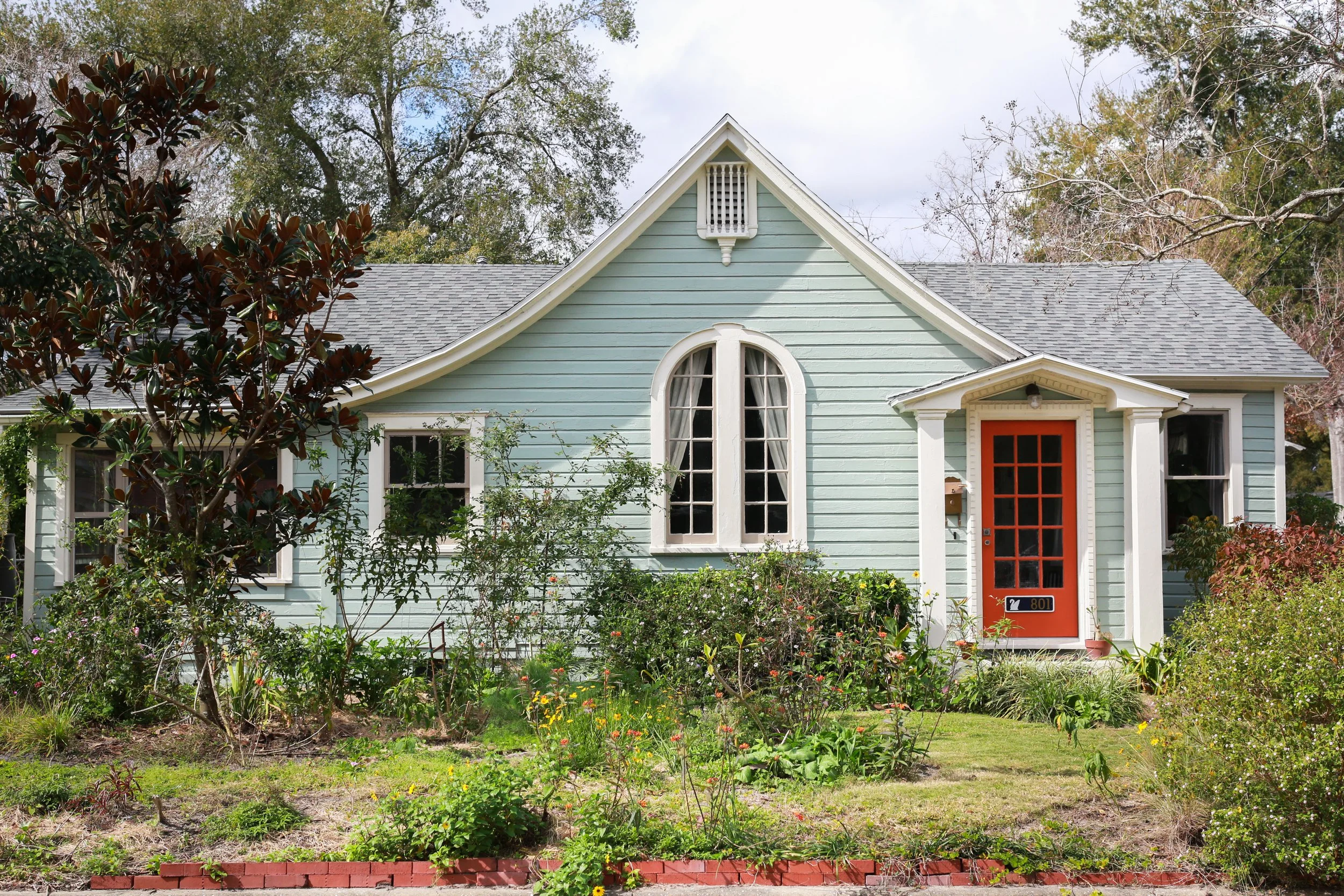
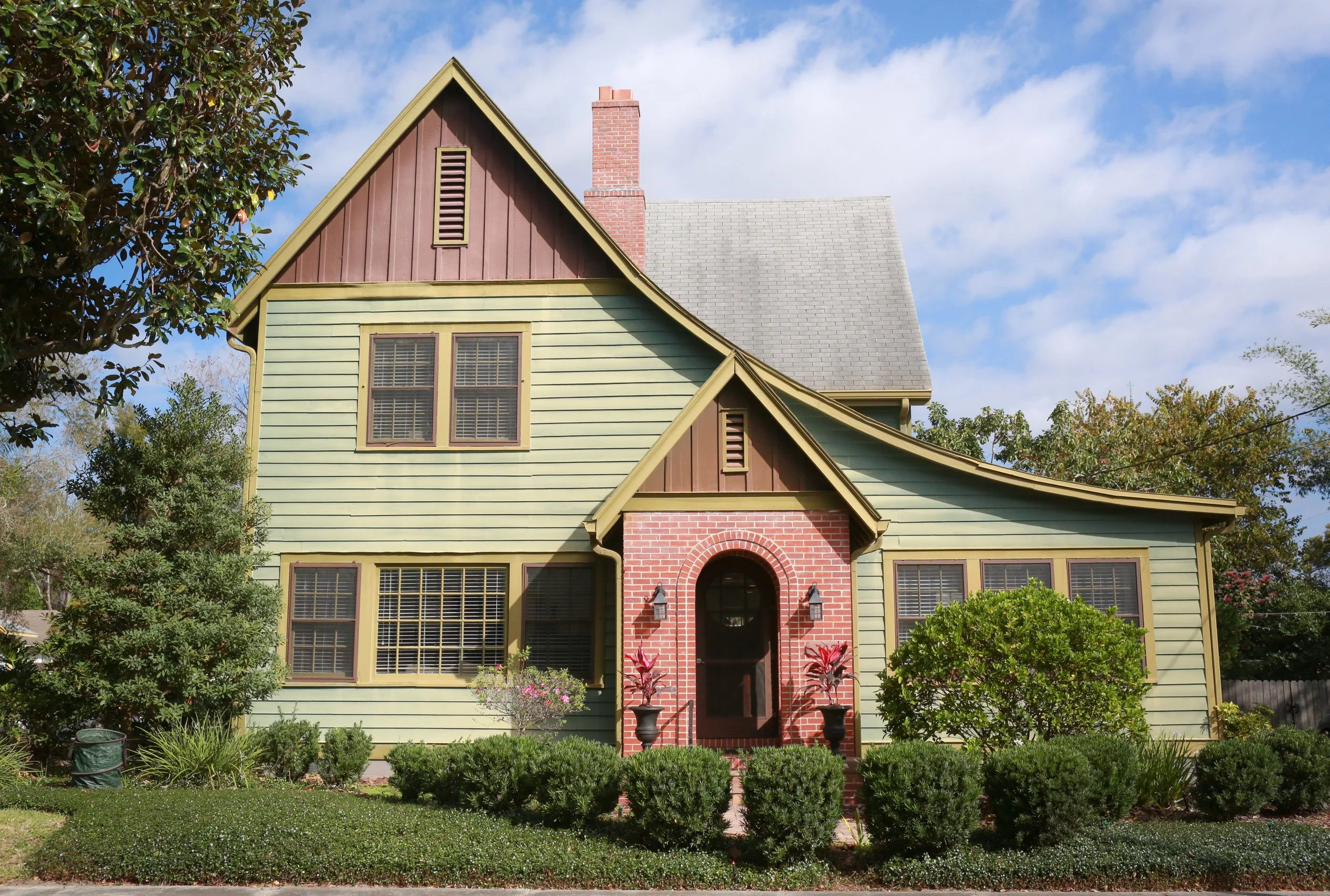
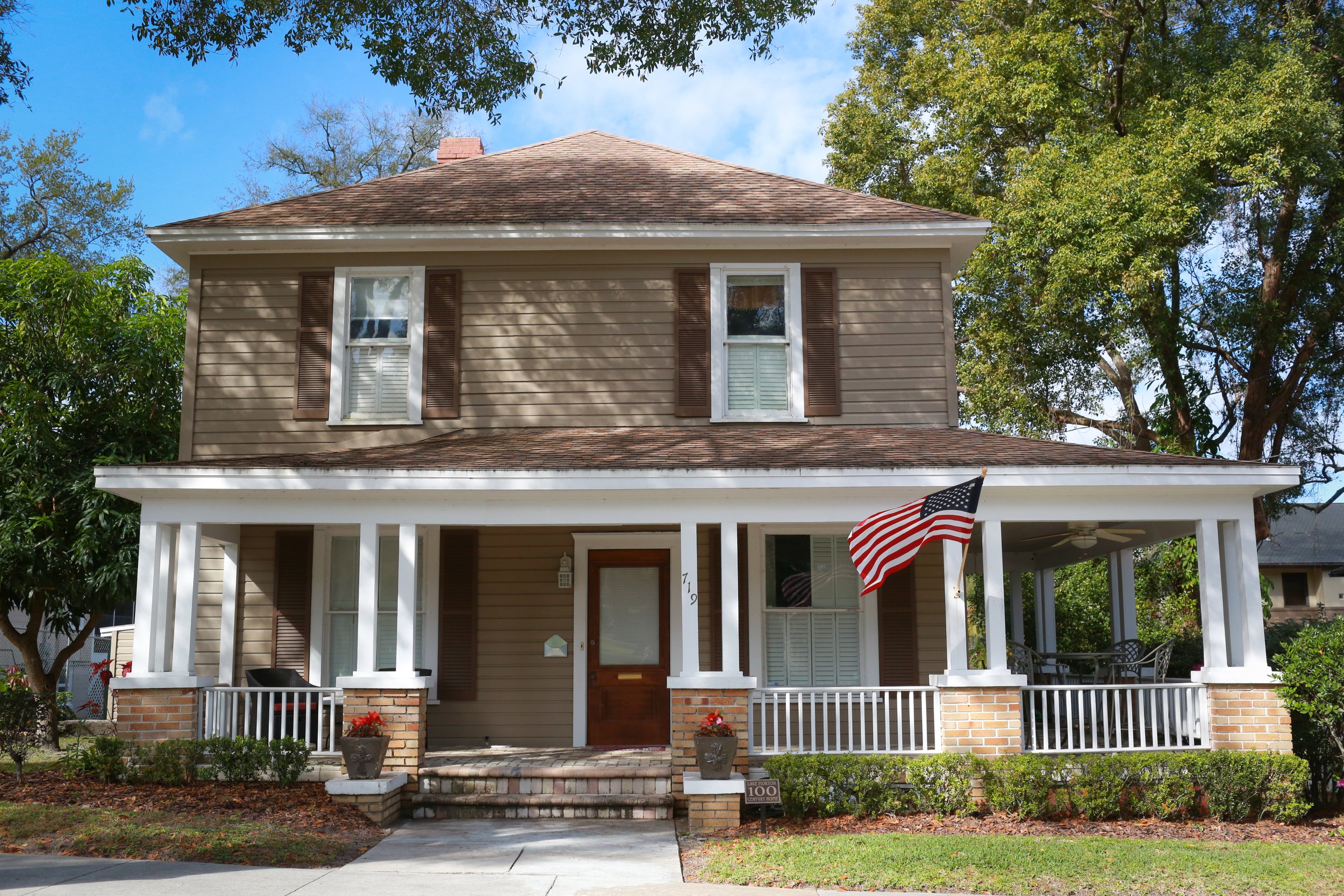
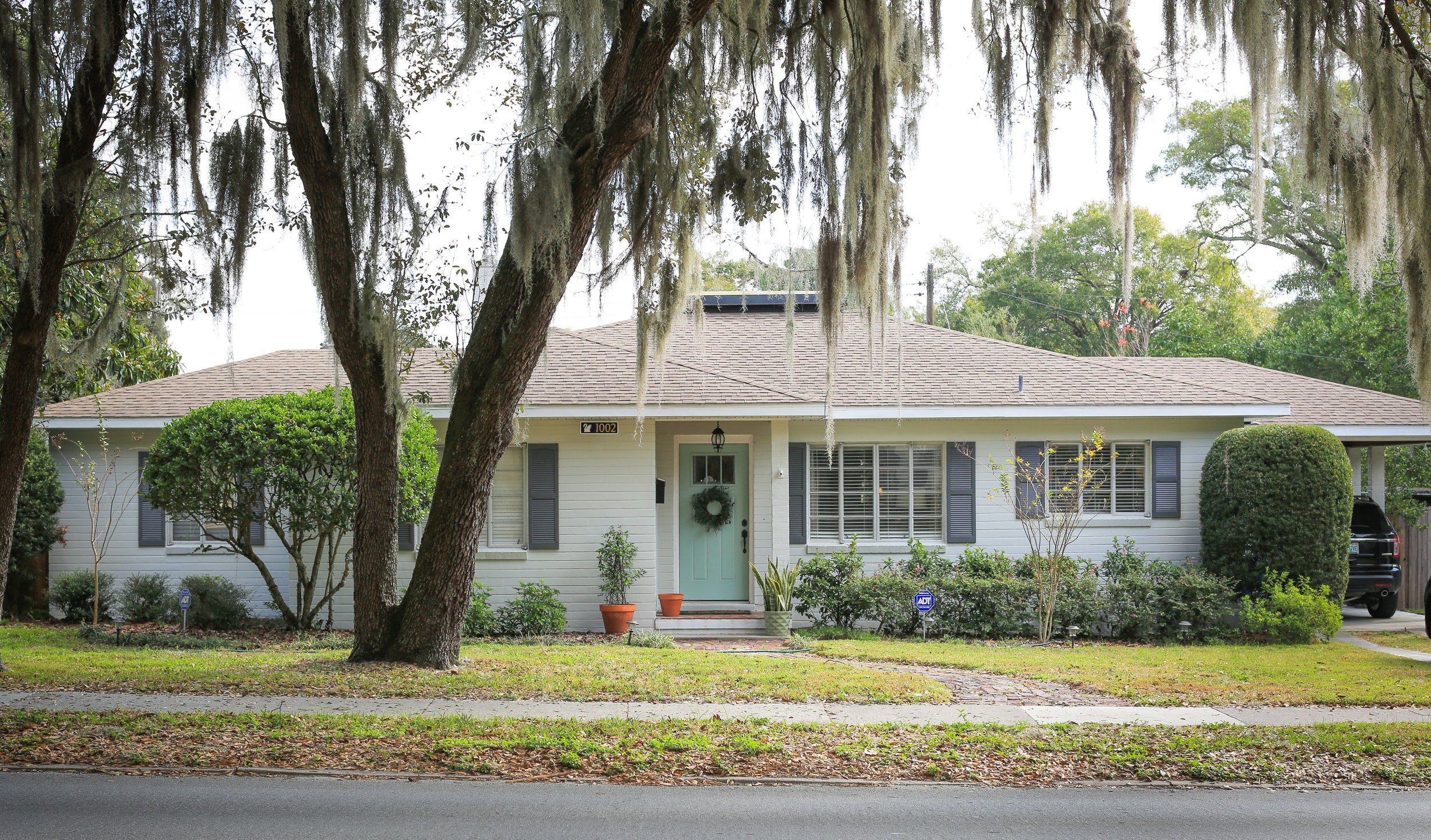
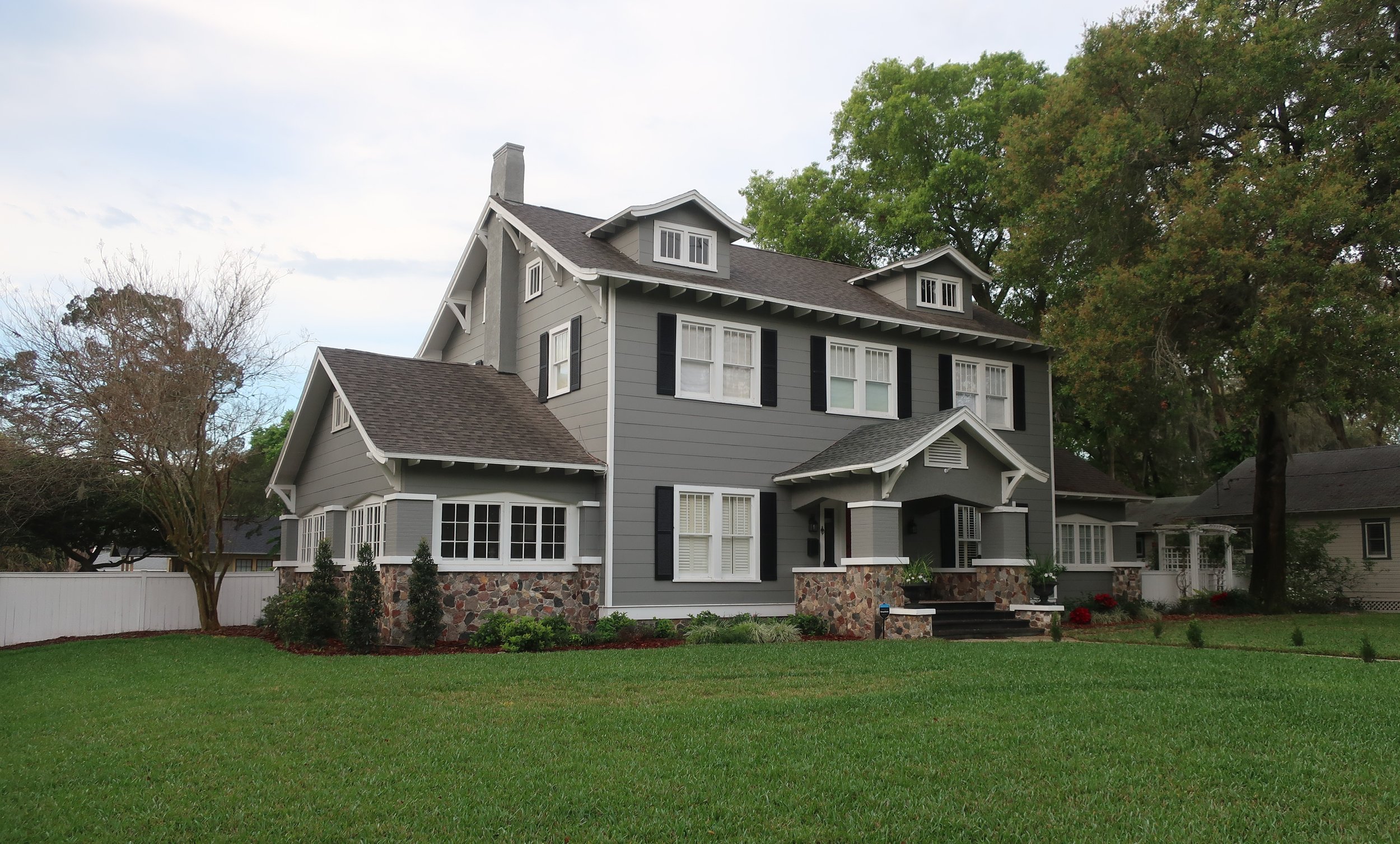
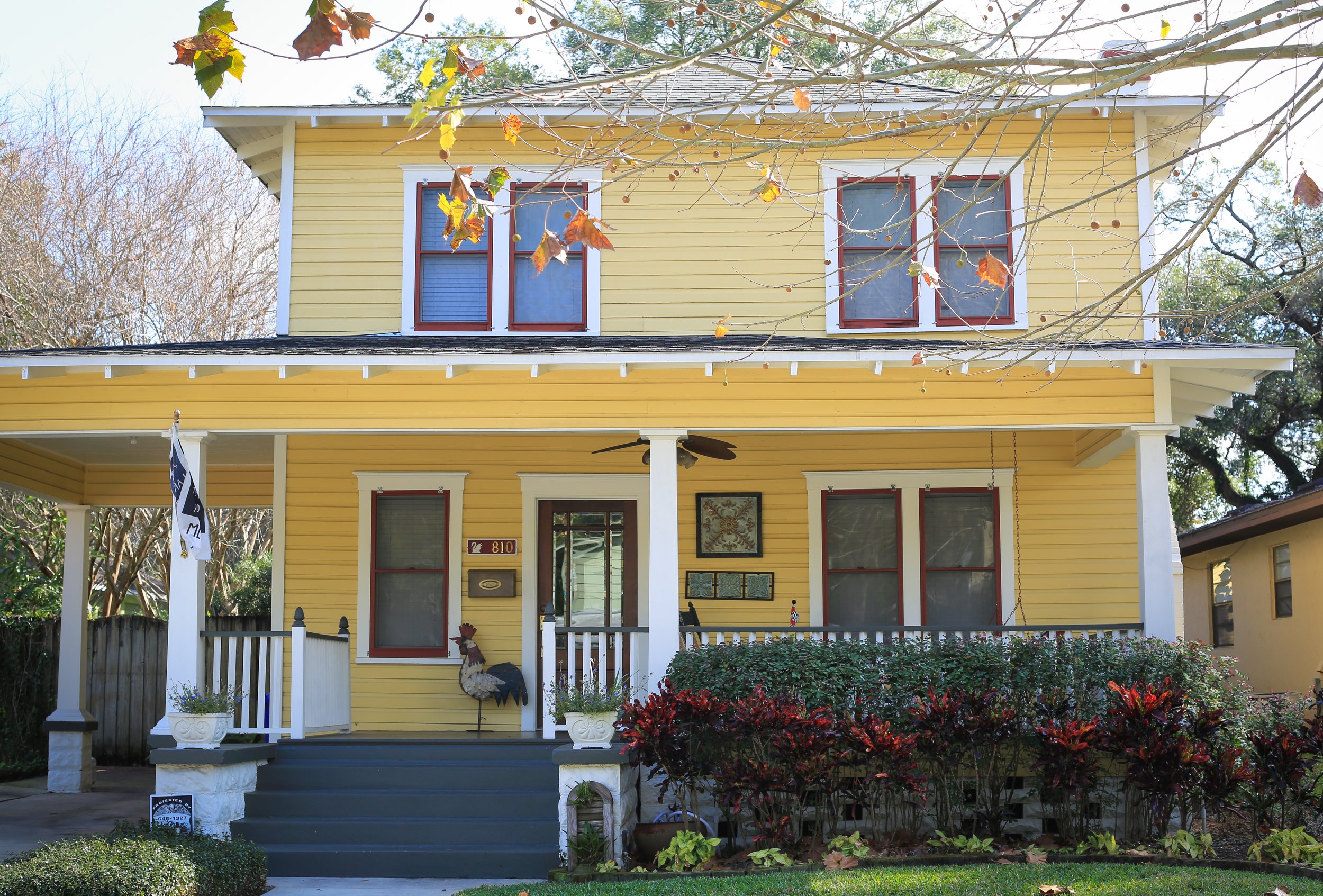
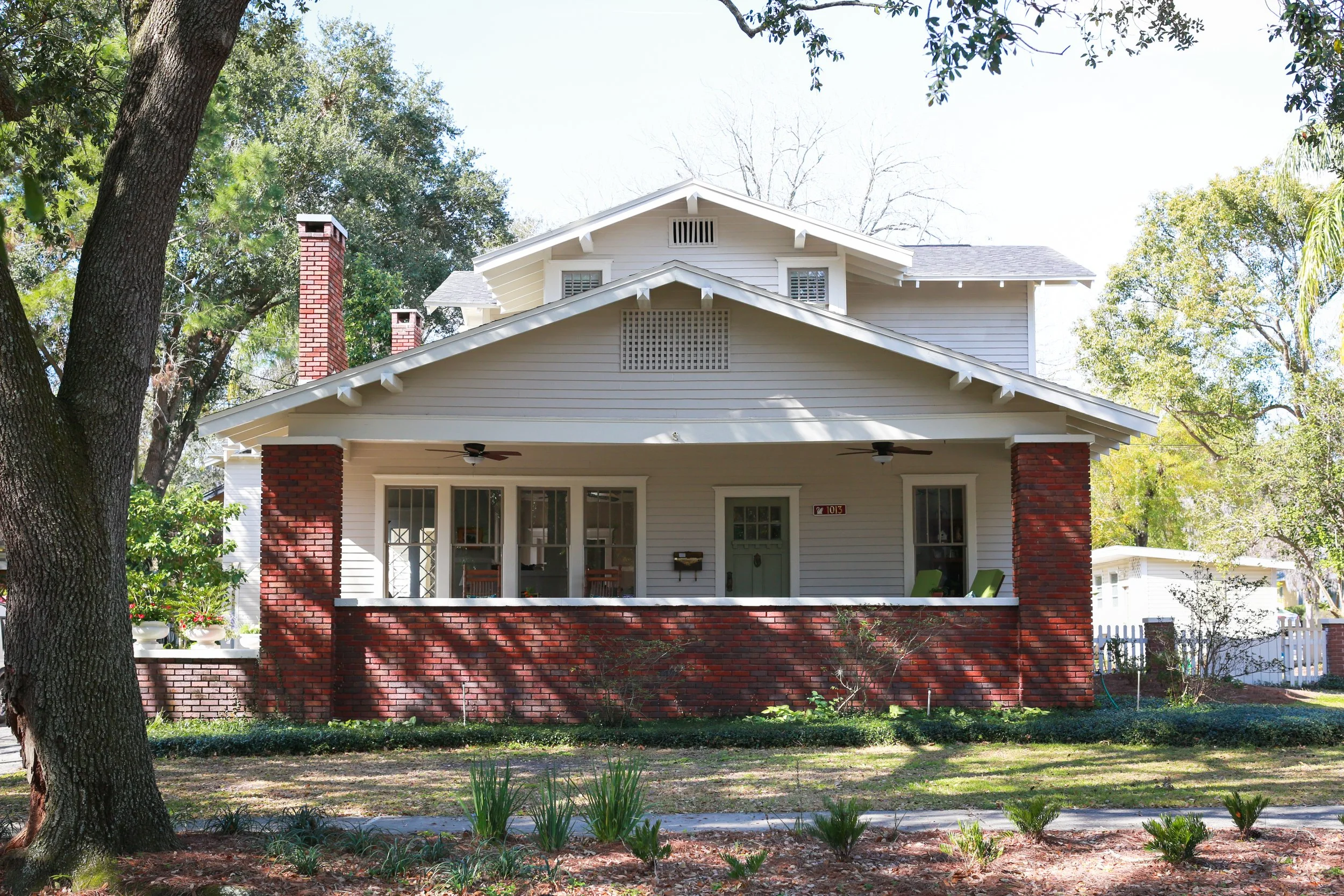
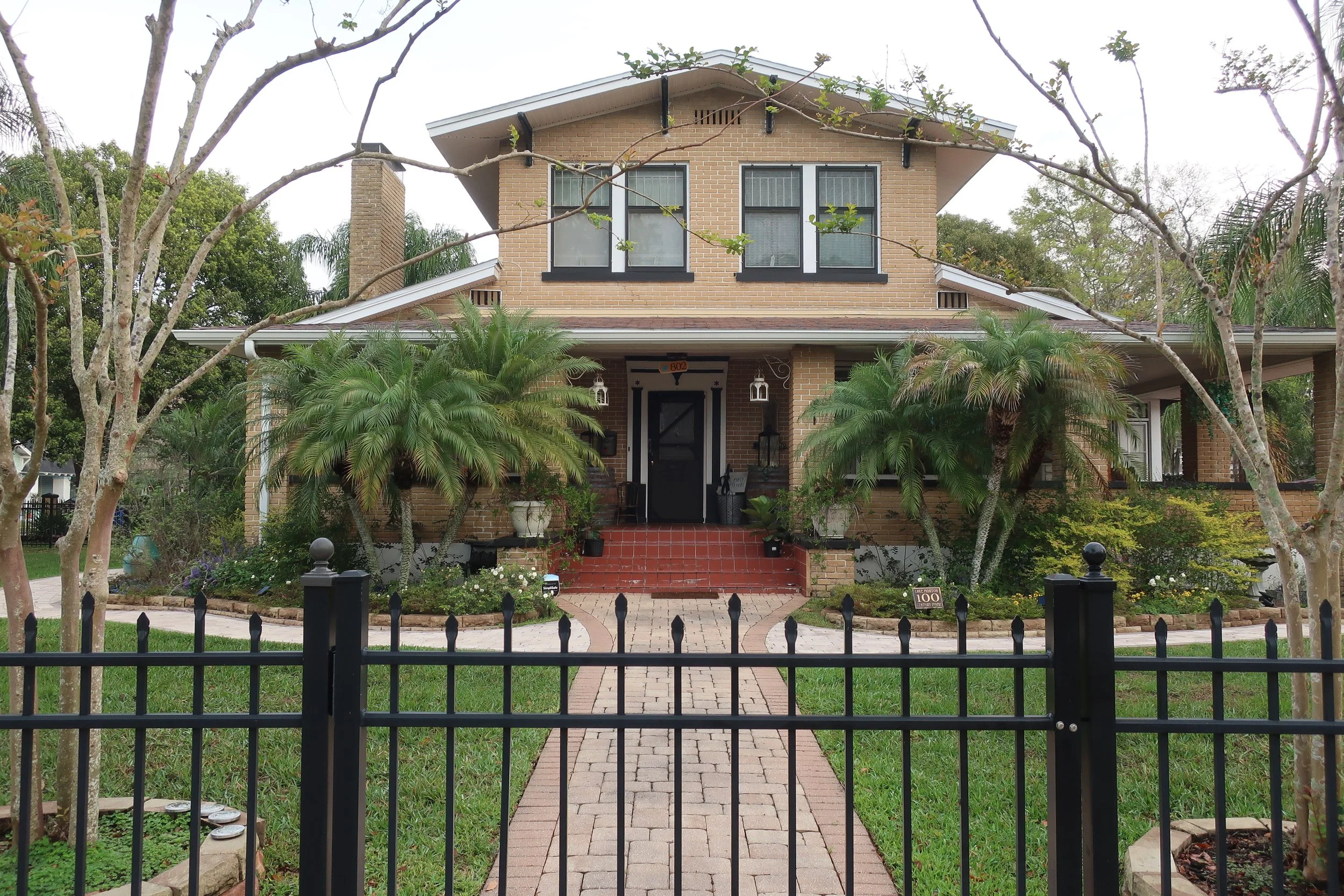
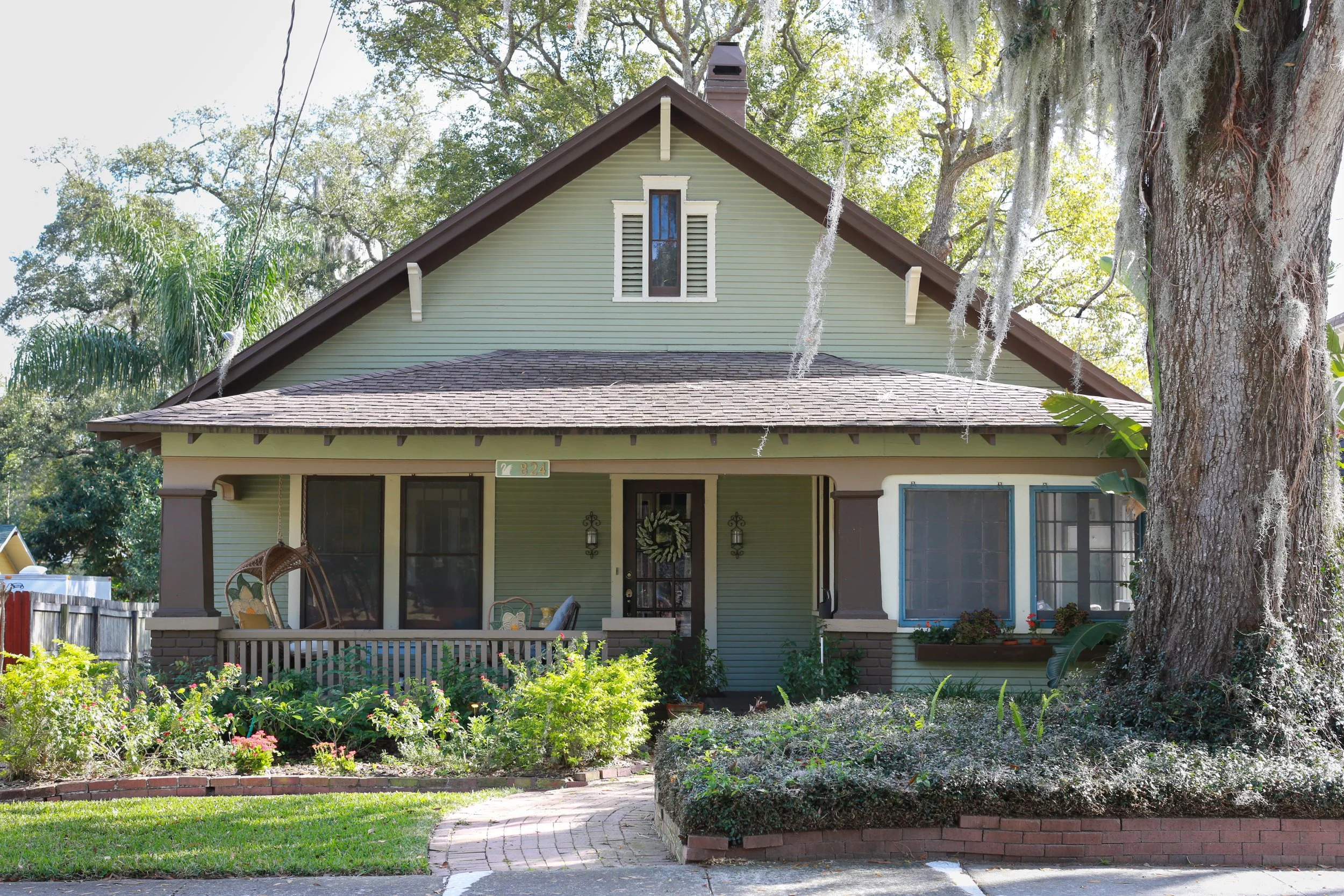
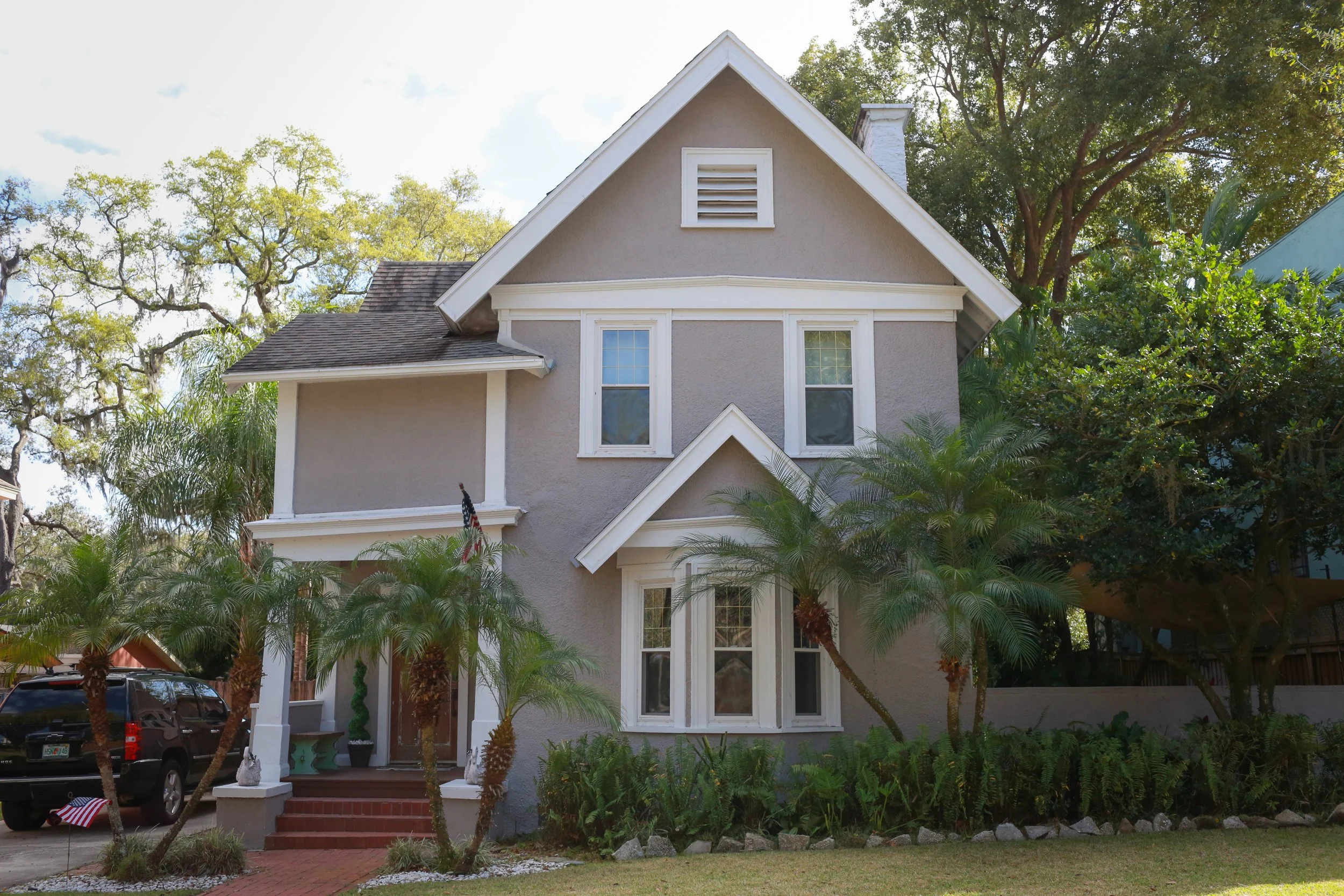
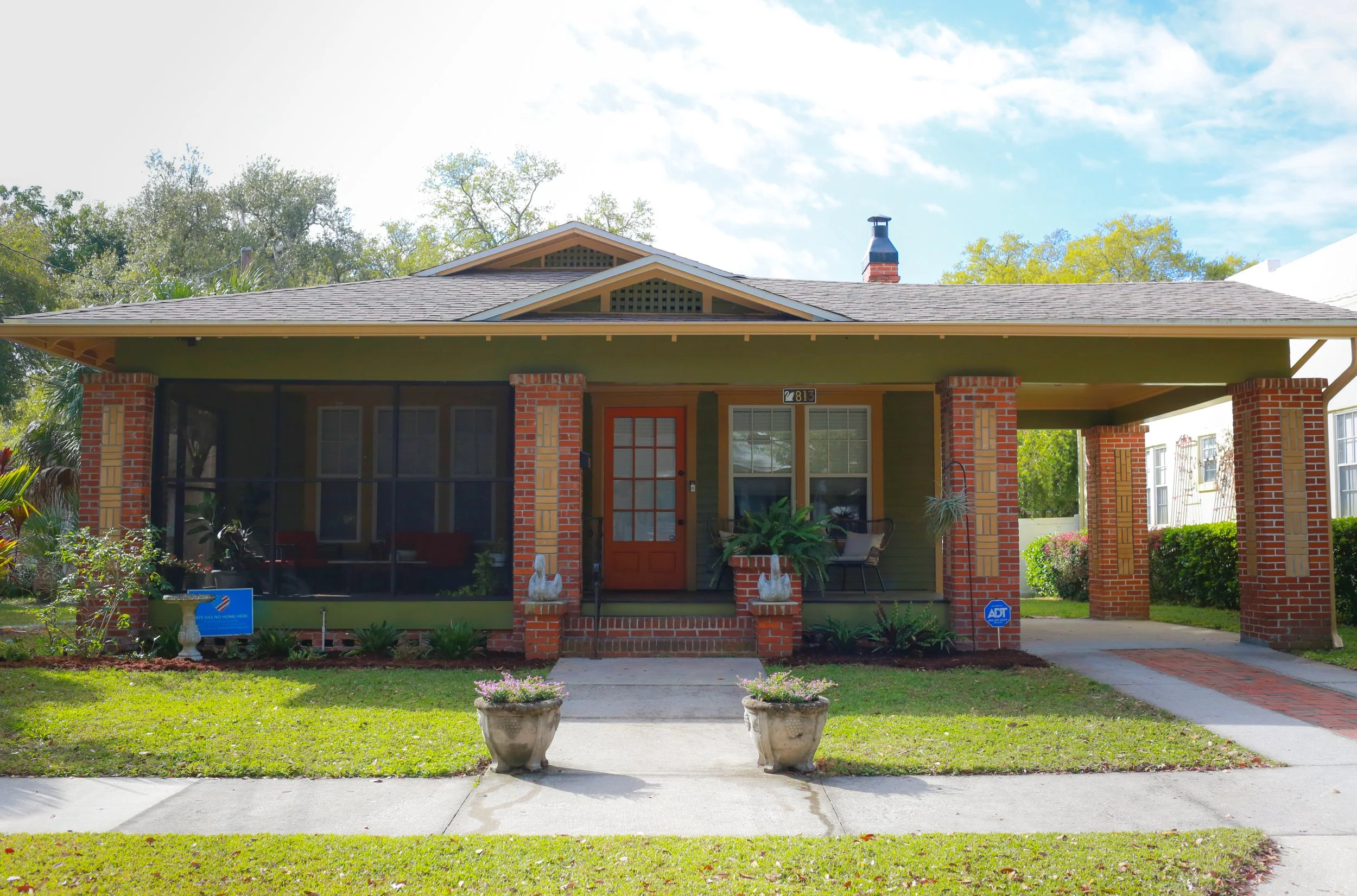
Development here began around 1906, but most of what you see went up during the Florida land boom between 1920 and 1926. That six-year run set the character of the whole neighborhood: Craftsman bungalows and Mediterranean revivals, built close to the street, built to last.
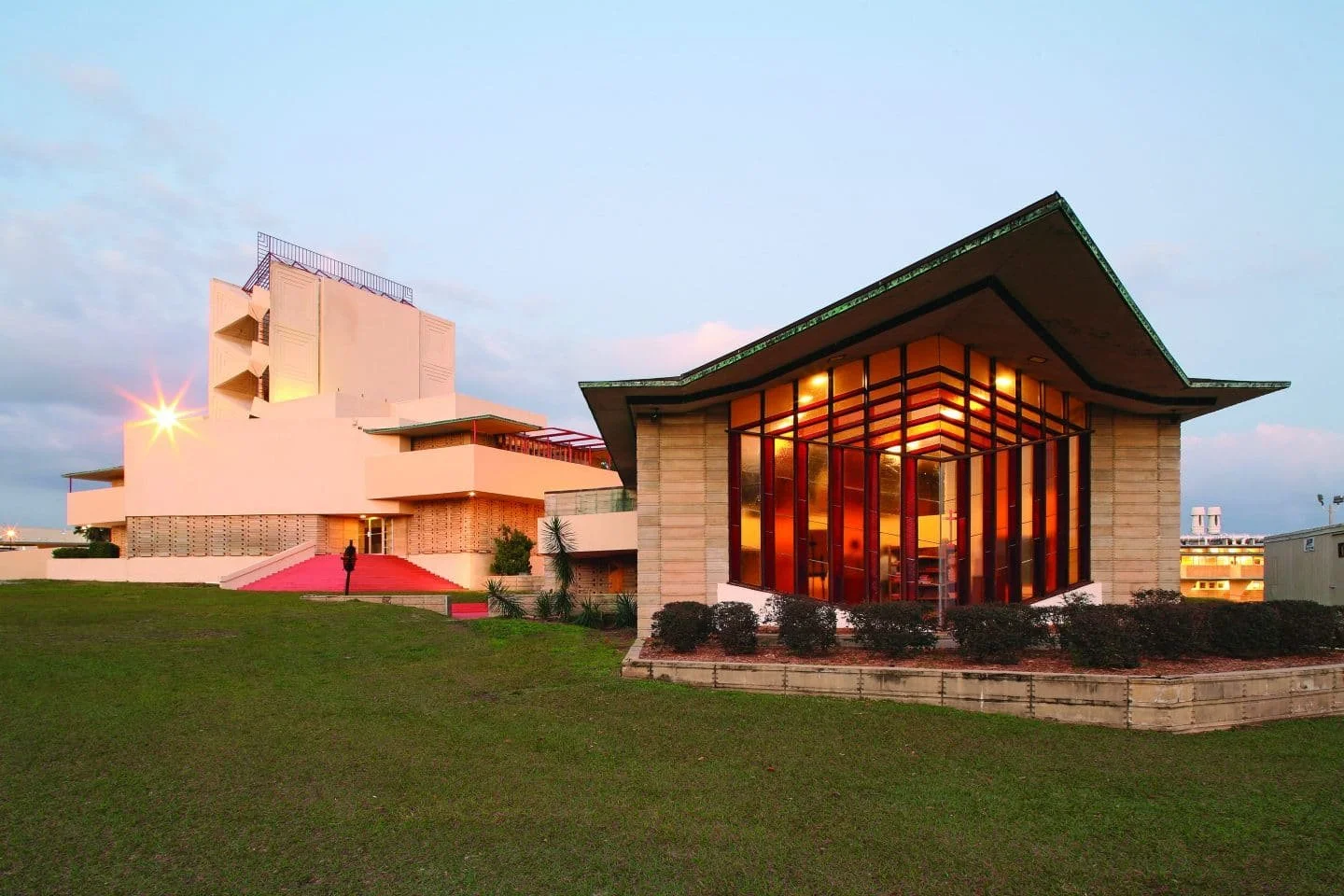
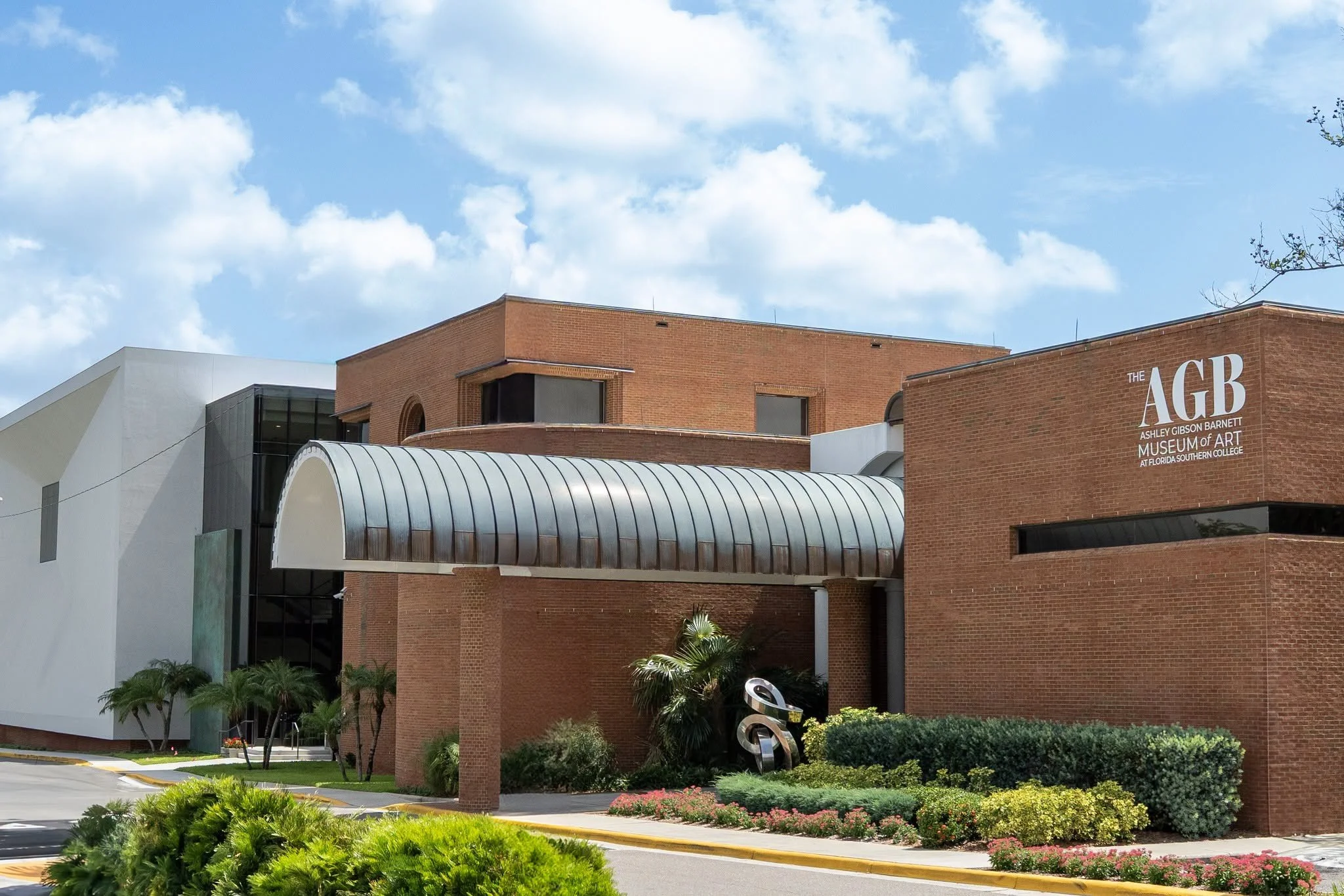
The land helps. The rolling topography, the angled and curving streets, and the lake shores make for views you don't get in most Florida cities. Add Florida Southern College's Frank Lloyd Wright campus, the Lakeland Public Library, and the AGB Museum of Art, all within a few blocks, and you have one special neighborhood.
The area is formally recognized as the South Lake Morton and East Lake Morton Historic Districts.
Built in the boom
◆ ◆
Everything's a walk away
◆ ◆
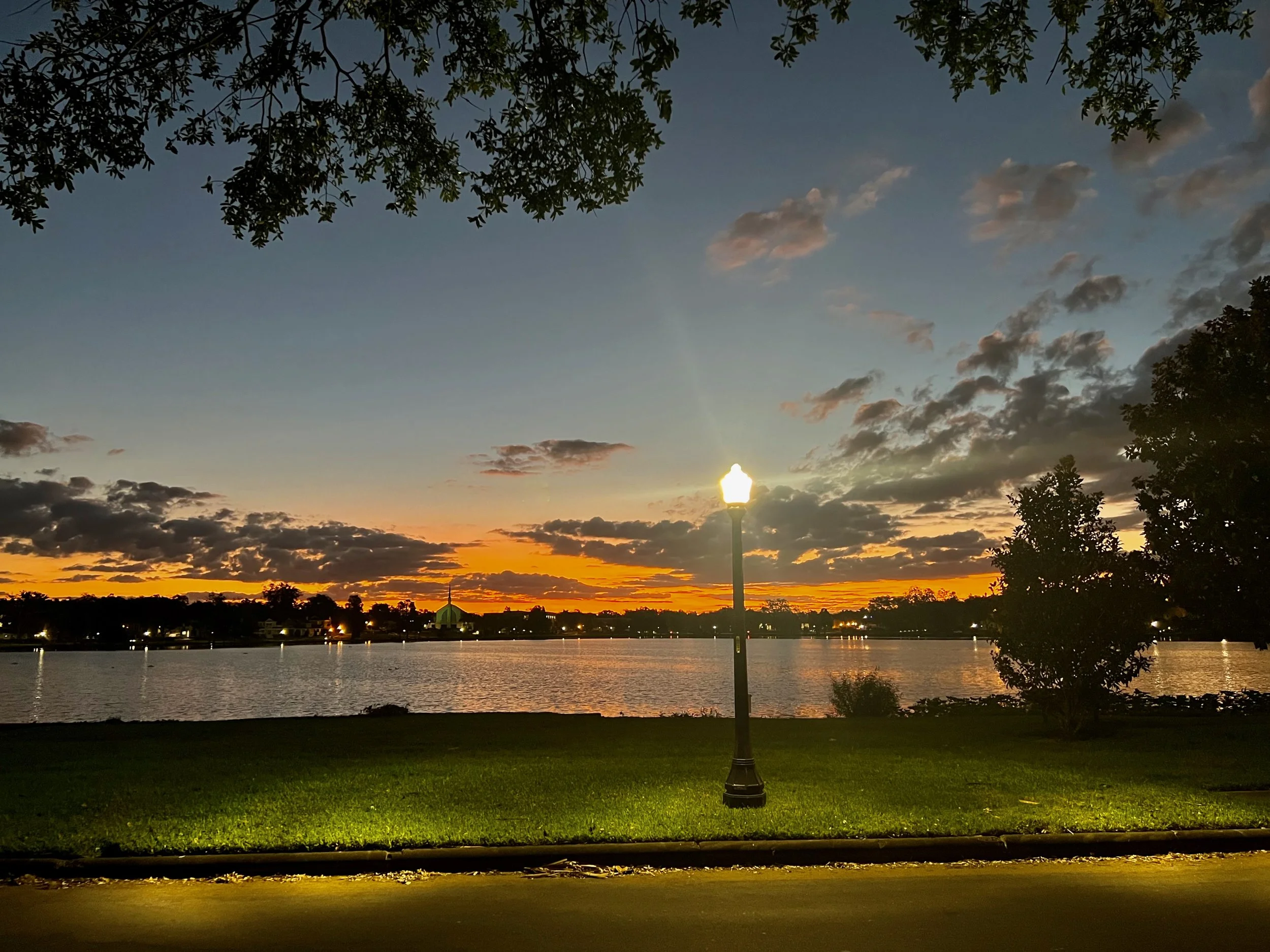
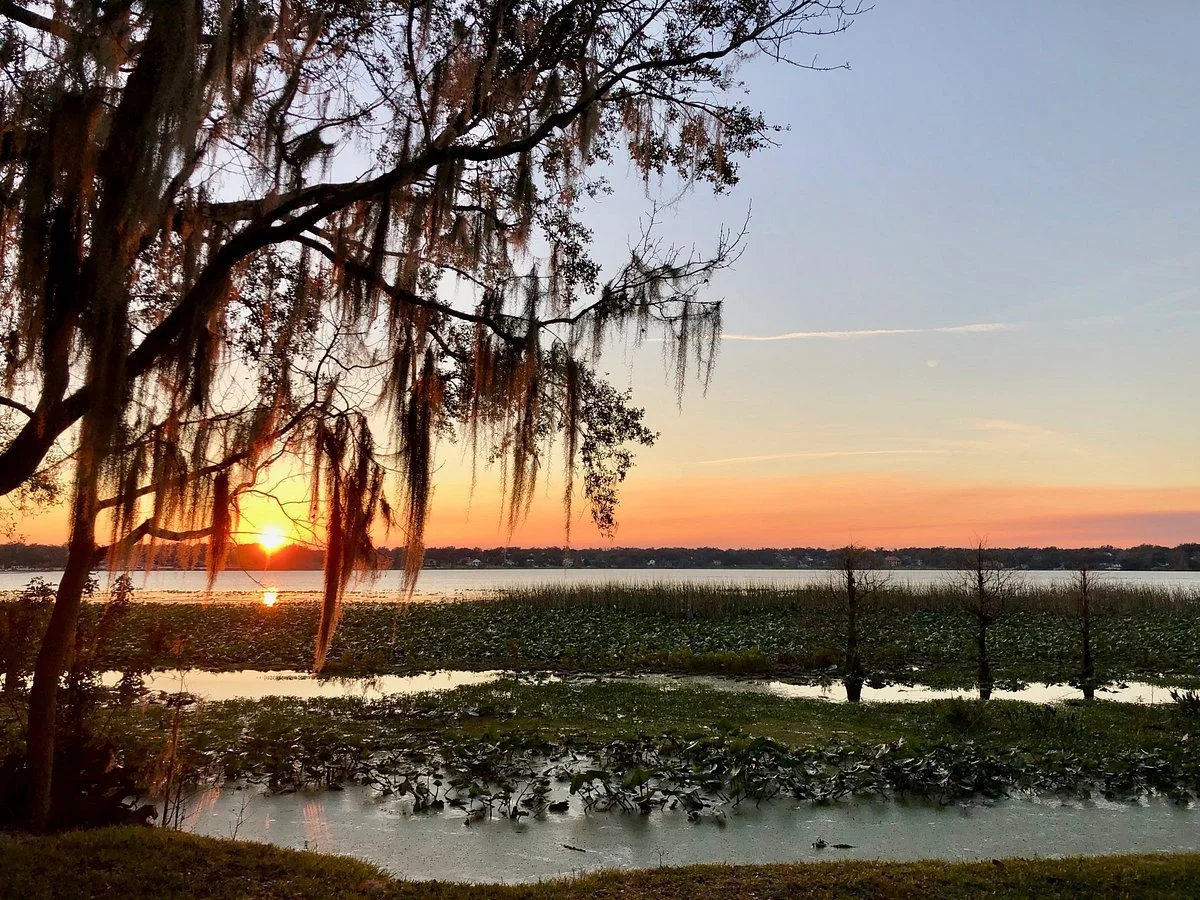
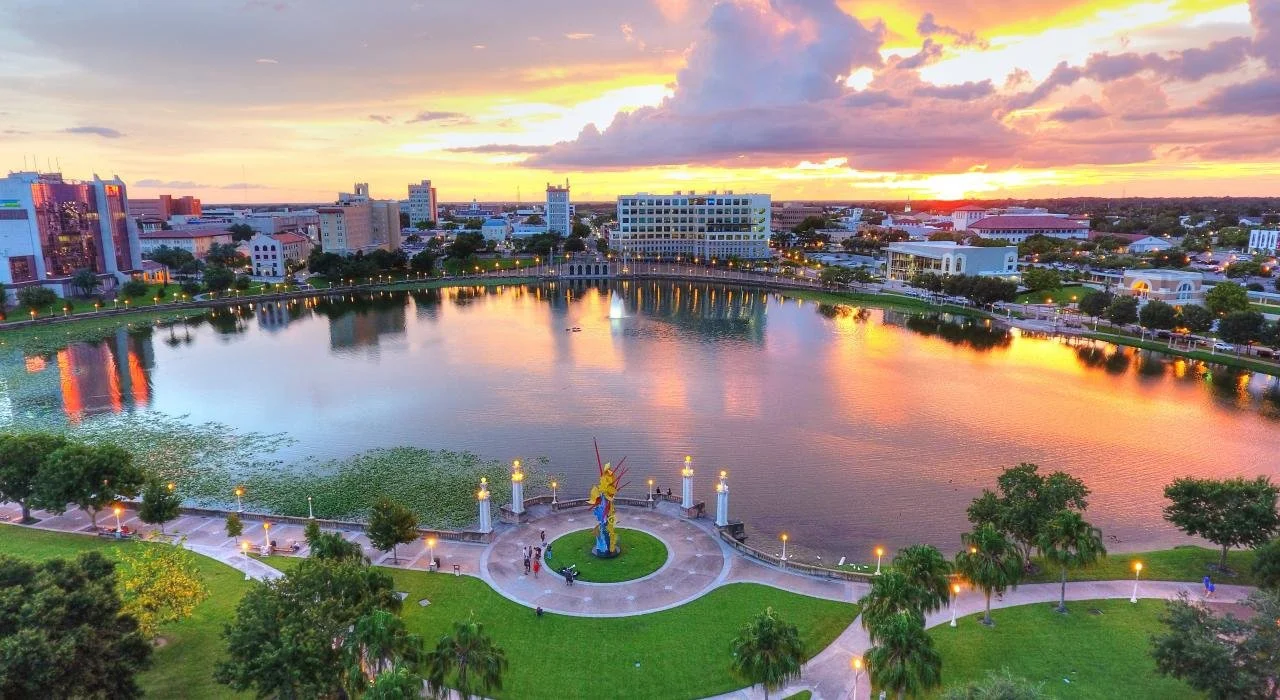
Bordered by Lake Morton, Lake Hollingsworth, and Lake Mirror, the neighborhood is made for walking. Old trees shade the streets. Most blocks have sidewalks. Bike trails connect the lakes.
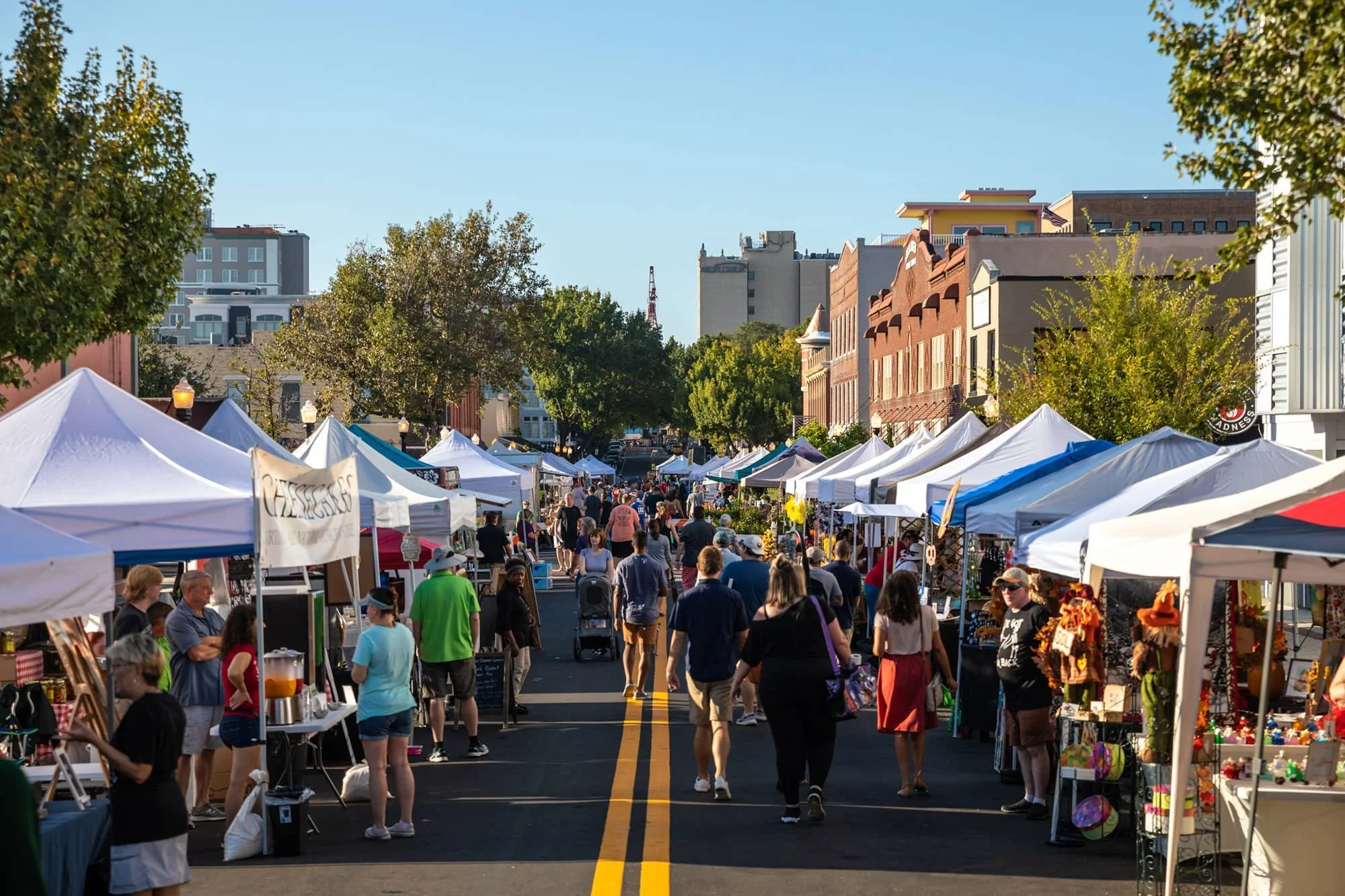
Downtown Lakeland and Dixieland are both an easy walk. Florida Southern College, the Lakeland Public Library, and the AGB Museum of Art are inside the neighborhood itself. The Downtown Farmers Curb Market runs Saturday mornings a few blocks north.
Kim McCole
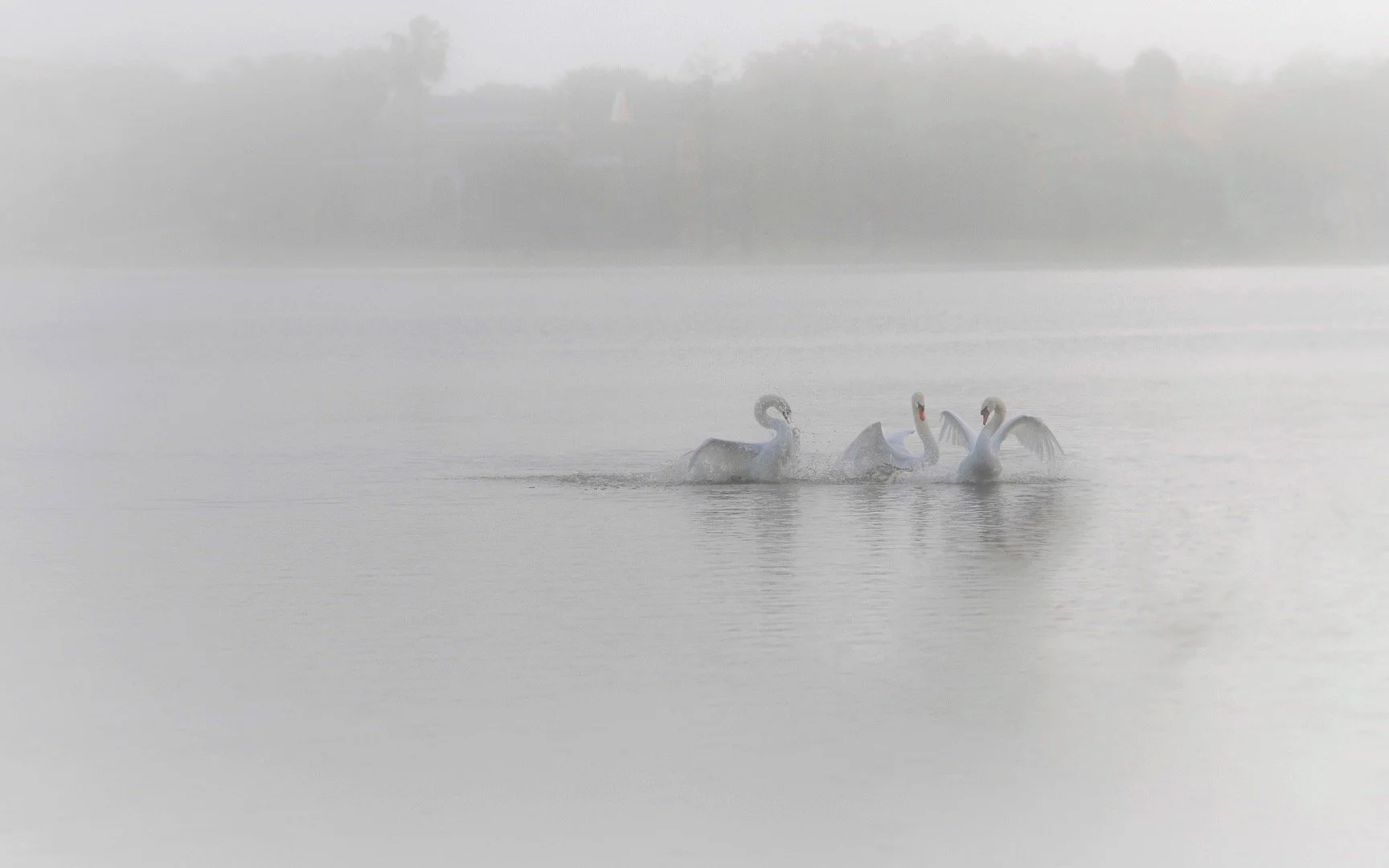
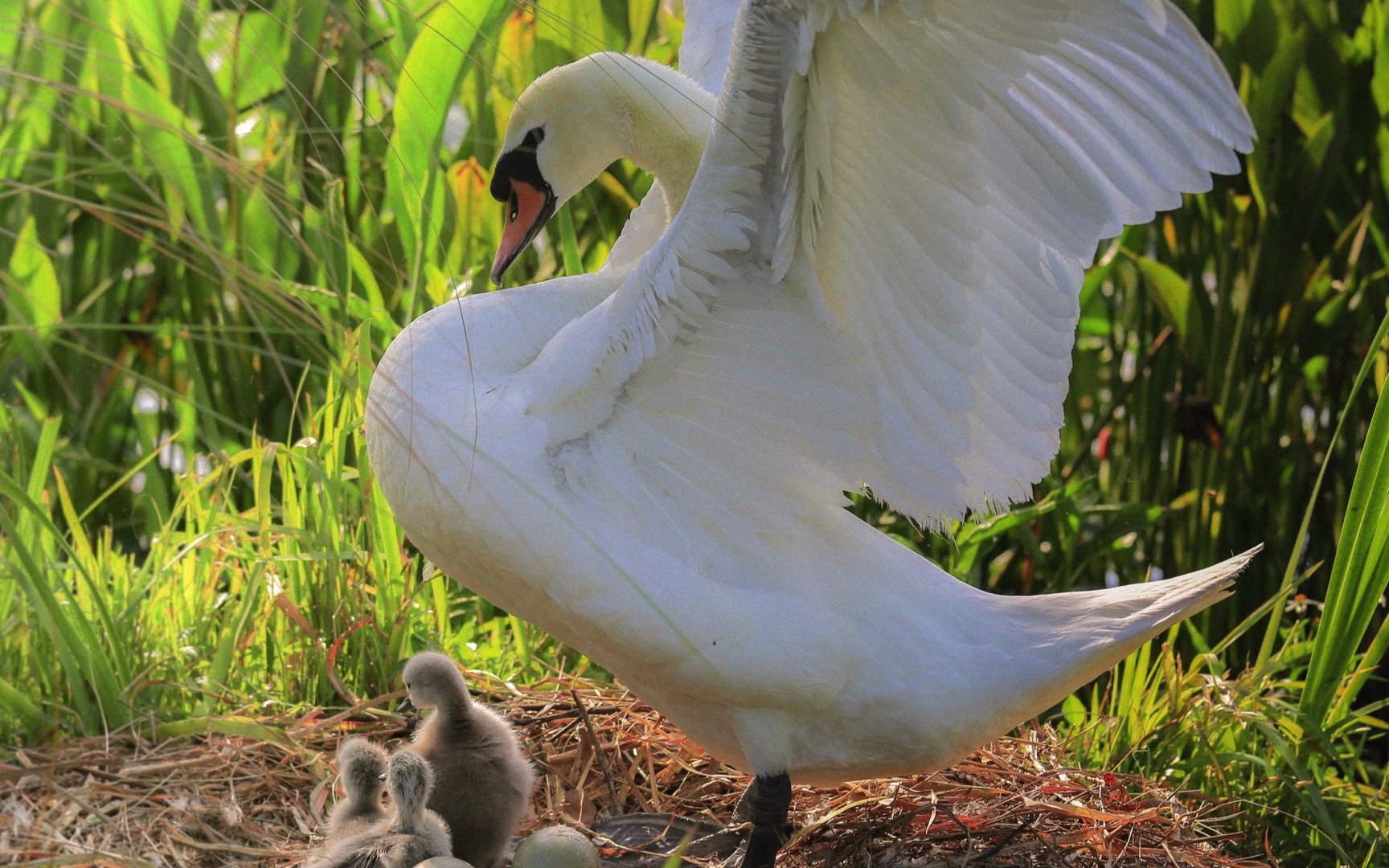
The swans of Lake Morton
◆ ◆
Lakeland, whose lakes had been home to a varying number of graceful birds since at least 1923, saw its last swan fall victim to an alligator in 1954.
Mrs. Robert Pickhardt, a Lakeland native living in England at the time, was familiar with the royal flock of swans on the Thames – birds descended from the original pair given to Richard, he of the lion heart. She inquired about purchasing a pair for Lakeland. Queen Elizabeth, known to be a little tight with a farthing, agreed to send a pair of swans to Lakeland if the city would pay the cost of capture, crating, and shipping, estimated at $300.
Eventually the money was raised and a pair of White Mute Swans from England were released on Lake Morton on February 9, 1957. Descendants of that pair continue to grace the city's many lakes; today there are more than 200 birds, including White Mutes, Australian Black Swans, White Coscorba Swans from the Falkland Islands, Black Neck Swans from South America, white pelicans, ducks, geese, and other species.
Lakeland has learned its lesson and is very protective of its swans now. There is an annual swan round-up, at which time the graceful birds are inoculated against disease, and the city provides feeding stations and breeding pens along Lake Morton's perimeter. The swan is now the city's official logo.
A good place to view the swans of Lake Morton is at the corner of Lake Morton Drive and East Palmetto Avenue, near the Lakeland Library. If you are driving, be careful, the swans have the right of way.
As told in the book Florida Curiosities by David Grimes & Tom Becnel
Come be a neighbor
If you own or rent here, you're already part of LMNA.